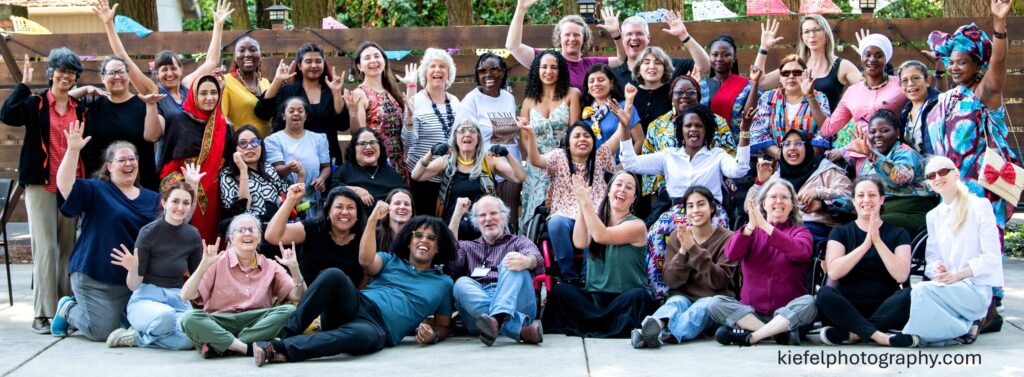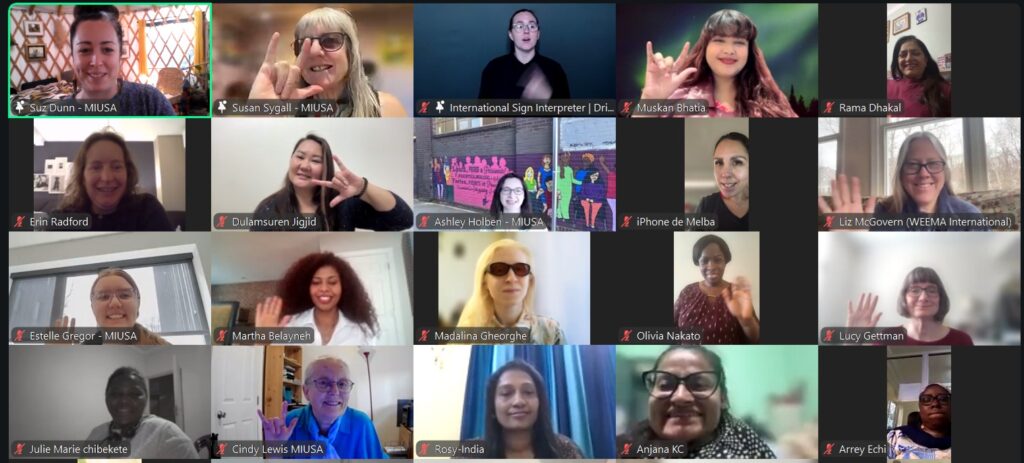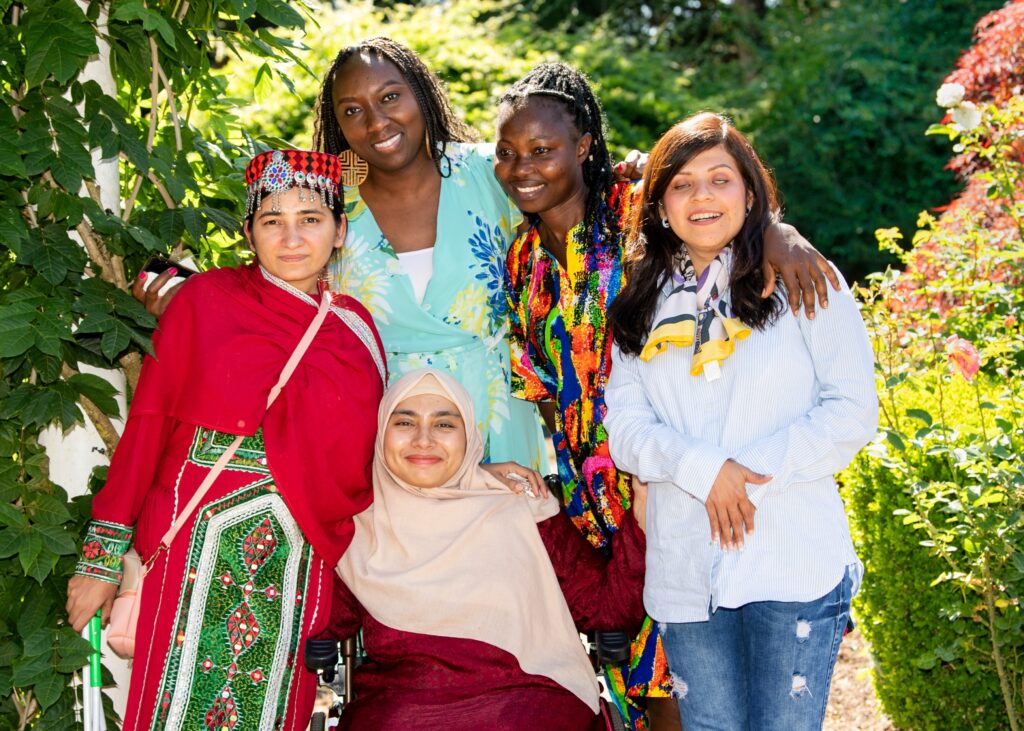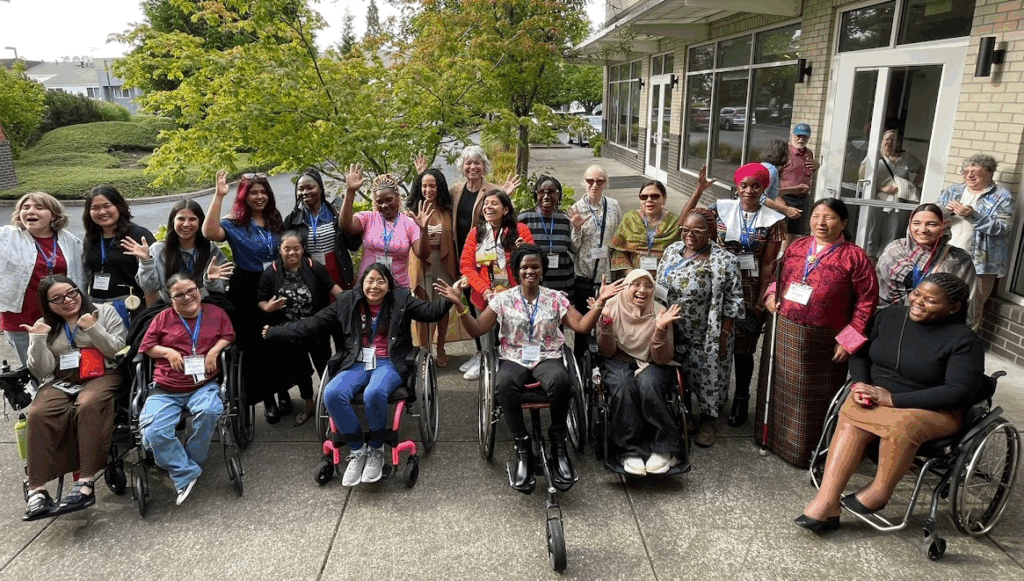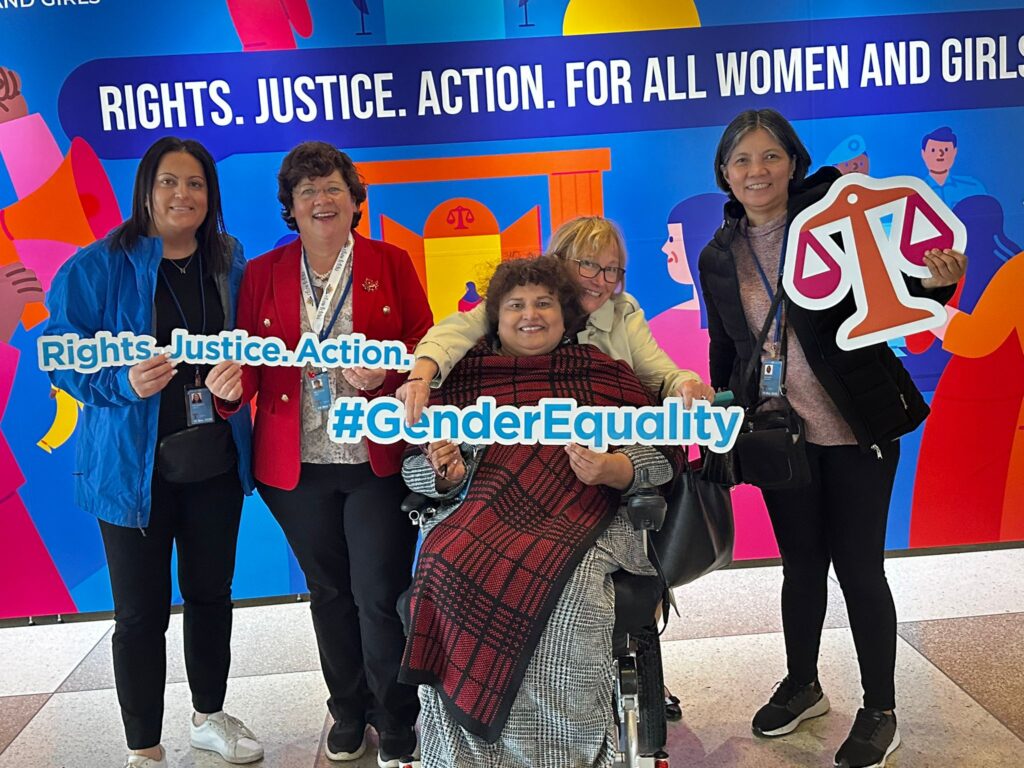
Securing gender equality is a collective mission that transcends individual effort; it requires a global movement. Each year, feminists and gender justice activists gather at the United Nations Commission on the Status of Women (UNCSW) to exchange ideas, strategies, and aspirations. As the UN’s intergovernmental body dedicated to women’s empowerment, the CSW serves as a central platform for advancing gender equality worldwide.
On March 9, 2026, leaders from around the world convened in New York for the 70th session of CSW, which focused on access to justice for all women and girls, as well as the elimination of violence against women and girls. The priority theme also emphasized that legal systems, practices, and programs must be inclusive to achieve meaningful progress.
With the support of Canadian Minister of Women and Gender Equality, Meenu Sikand, alumna of Mobility International USA’s Women’s Institute on Leadership and Disability (WILD) participated in these high-level dialogues. Originally from India and now based in Canada, Meenu’s participation underscored the importance of including women with disabilities in international policy spaces.
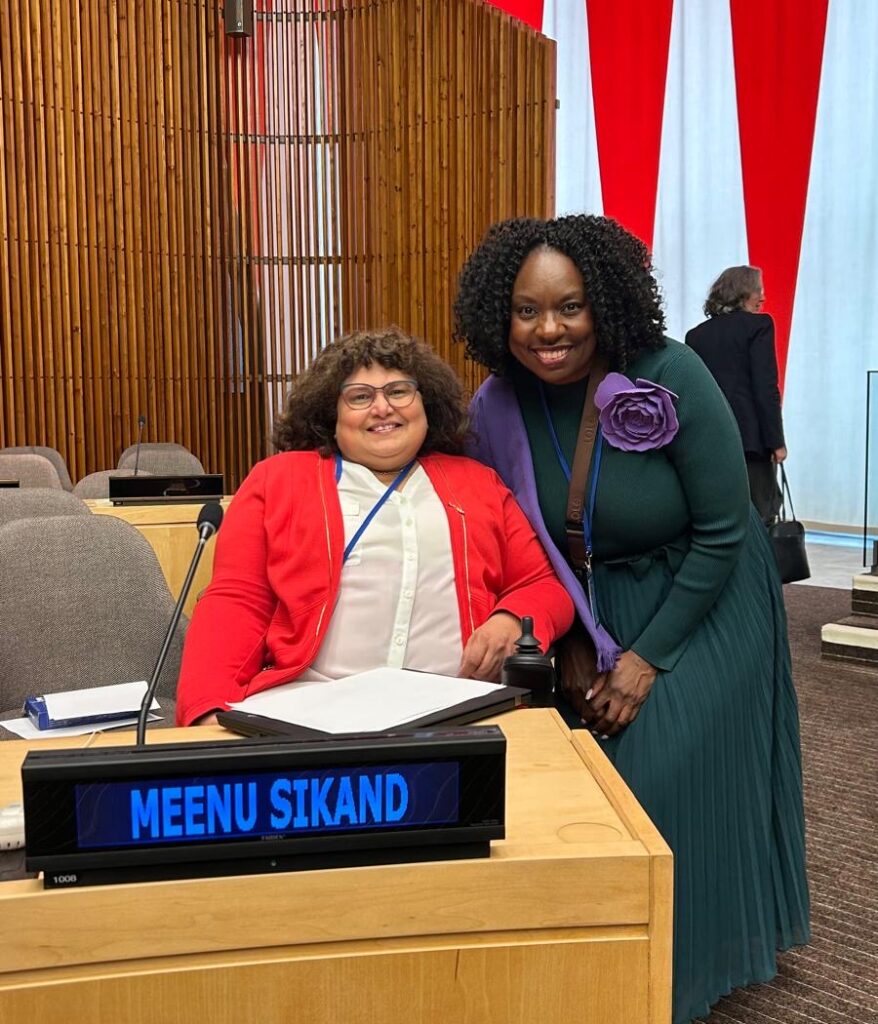
I was invited by the Canadian Minister of Women and Gender Equality Hon. Rechie Valdez, as chair of the Board of the Canadian Women’s Foundation to speak during Canada’s official UNCSW70 side event on removing structural barriers to women’s economic empowerment.
A point I felt was essential to name was: economic empowerment for women with disabilities is not optional — it is fundamental to their safety, independence, and survival. Without a feminist intersectional gender-based lens, women with disabilities will not benefit from economic development, employment, and income-generation initiatives available to others. When laws, policies, and programs force women into dependence, they also deepen vulnerability and violence. I reflected as well on what the shift to Working from Home revealed. The pandemic showed us that with inclusive technology, flexibility, and the right policy choices, many barriers that once seemed immovable can, in fact, be reduced. Remote work created possibilities for participation, employment, and contribution that many women with disabilities had long been denied. And that progress will only matter if governments, employers, and institutions choose to build on it intentionally rather than treating it as temporary.
I wanted to make one thing clear to the audience: for many women with disabilities, economic exclusion is not accidental. It is the result of systems that were never designed with accessibility, dignity, or true equity in mind.
I also spoke about the difference between accessibility and accommodation, a distinction we do not talk about nearly enough. Accessibility is what allows people to enter and participate fully in systems. Accommodation responds to individual needs within them. Both matter. Both are necessary. And without them, equality remains incomplete. Throughout my employment career, this point has stayed with me because when we talk about women’s economic empowerment, we often focus on capital, leadership, and opportunity — all important. But empowerment also depends on whether women can actually access the systems meant to support them. Too often, disability is still treated as a side conversation in gender equality work and in gender justice spaces. I believe it must be central.
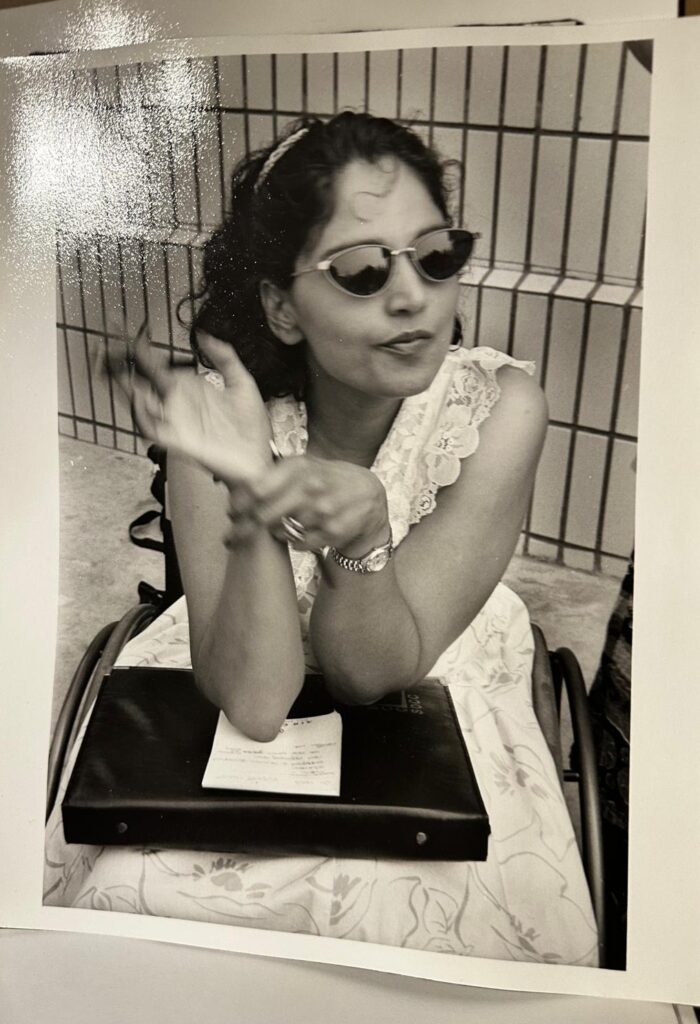
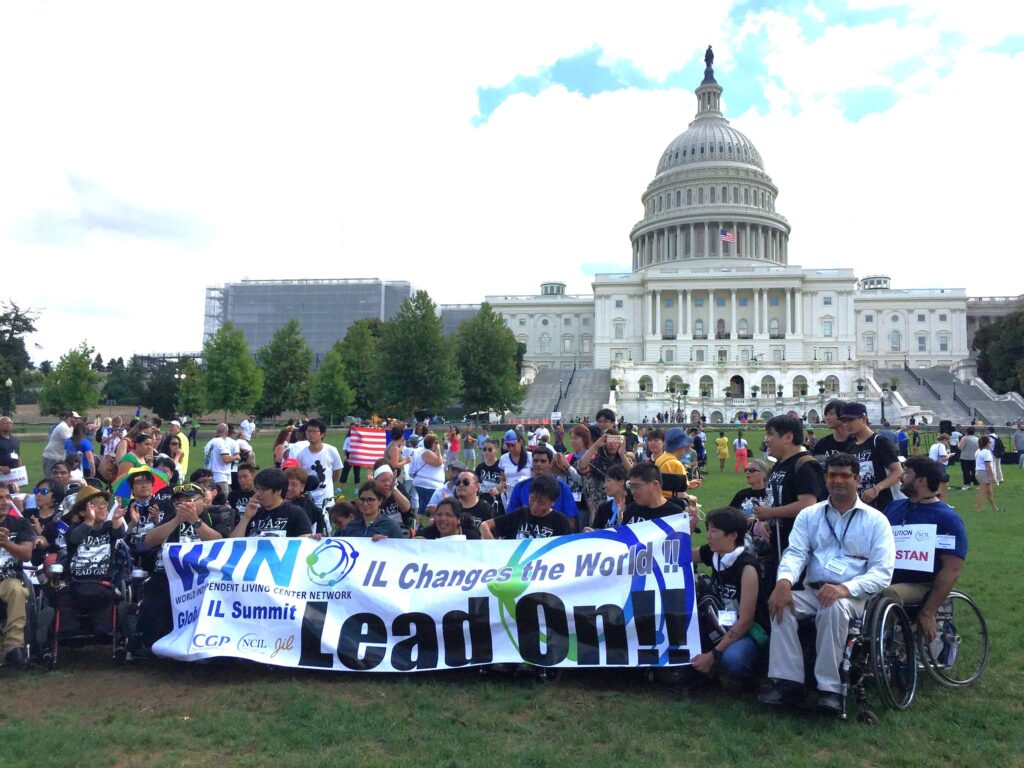
I recalled my first international women’s forum which kick-started my global advocacy in 1995 at the NGO Forum linked to the Fourth World Conference on Women in Beijing, where all disabled women participants were forced to organize themselves in a single tent due to inaccessible venue and transportation. Women with disabilities strategized and called out to the women leaders, governments and organizers about exclusion of disabled women from the largest women’s gathering. The message was clear: barriers stem from systems designed without accessibility, not from lack of capacity.
In 1997, I built my leadership capacity through Mobility International USA’s Women’s Institute on Leadership and Disability (WILD), which emphasized systems change, policy engagement, and leadership training grounded in lived experience and disability pride.
In 2017, I returned to the UN for UNCSW61 on behalf of Accessibility for All, which I founded, reinforcing that women’s economic empowerment depends on accessible-by-design labour systems—timely support, not after-the-fact accommodations.
At UNCSW70, Canadian-led panels reiterated that employment inequities for women with disabilities are structural and require our coordinated action across infrastructure, labour policy, and social systems, centered on inclusion and belonging. Lasting progress requires sustained advocacy, aligned policy, and system wide design choices, an approach that closely supports the Canada Ontario Government’s commitment to accessibility and inclusion.
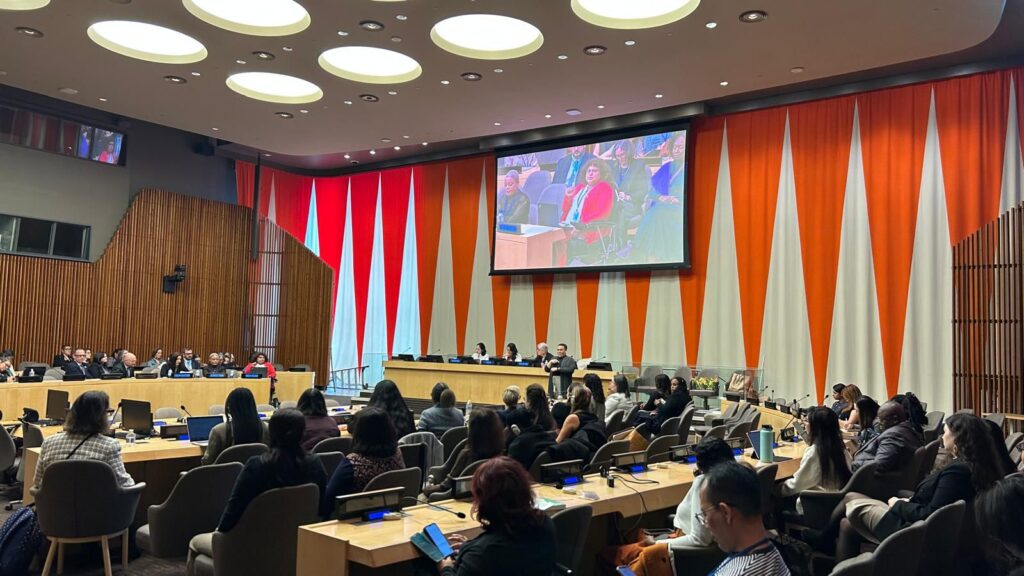
I believe we must continue to challenge assumptions, broaden the conversation, and insist on a future where women with disabilities are fully recognized, not as an afterthought, but as leaders, workers, entrepreneurs, and changemakers.
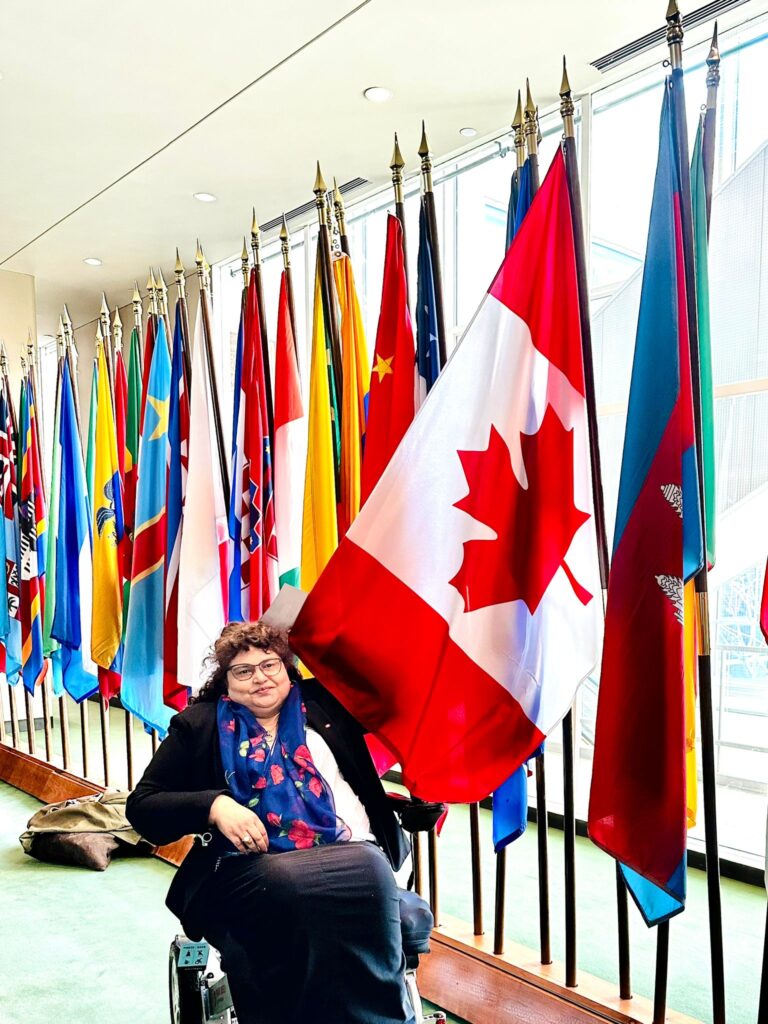
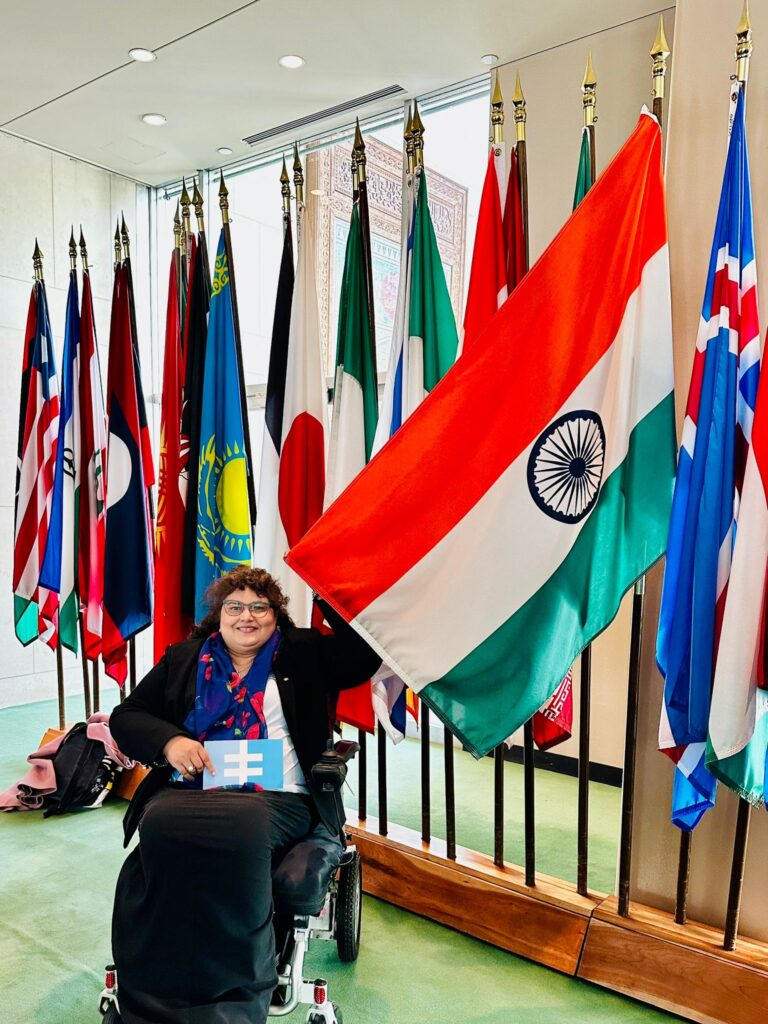
About the Author: Meenu Sikand is currently the Assistant Deputy Minister of the Accessible Infrastructure Secretariat in Ontario, where she supports efforts to embed accessibility across public infrastructure, systems, and programs. She also serves as Chair of the Board of the Canadian Women’s Foundation and holds a Master’s Degree in Critical Disabilities Studies.